
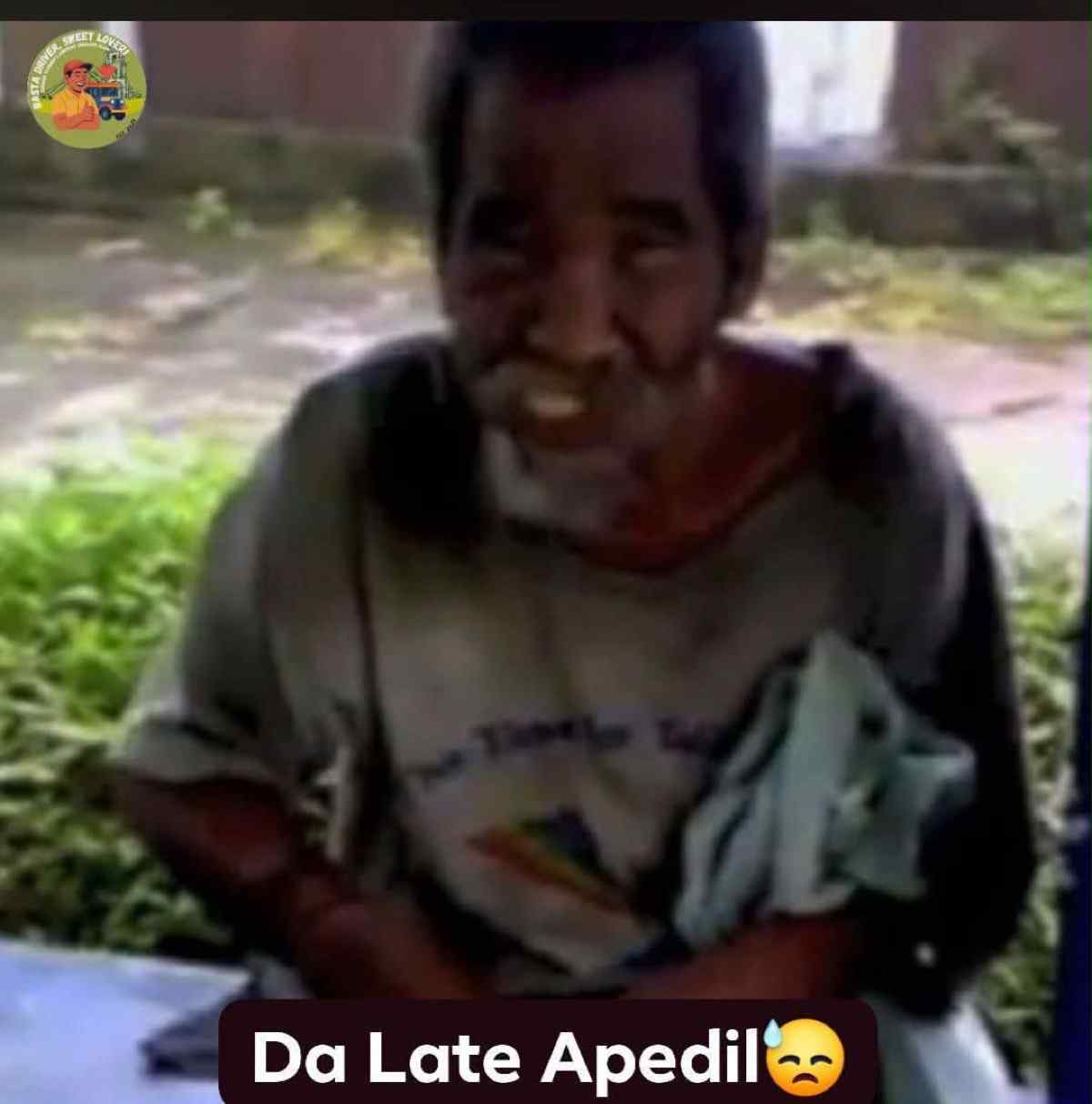
His name is Apidel, and he was a common sight when I was growing up in Daraga in the 80s and 90s.
I talked to him many times.
He stammers, which is why people started calling him “A‑Pidel.”
He never hurt anyone. He just walked around town—dirty, wandering, asking for food, barya, or a smoke.
His life was miserable. He was always laughed at, bullied, and treated as a joke instead of a human being.
Unlike most of us, people like Apidel cannot easily ask for help.
They have no voice, no platform, no way to demand the care and dignity they deserve.
And that silence is exactly why I’ve been wanting to write about him for so long.
The story I heard from those who were there when he was dying was that some people were laughing, but others were kind enough to call an ambulance. [citation needed]
In those final moments, our town showed both its cruelty and its compassion.
That fragile line between indifference and kindness—that is the story I’m trying to build.
I tried to research his life story but found nothing.
It’s understandable: he belongs to the pre‑internet generation, and who would bother documenting the life of someone the town only ever saw as a “taong grasa” or “village fool”?
But people like Apidel are living proof of how our communities, and our local governments, have long failed those with mental health conditions and psychosocial disabilities.
This post is a call for information from people in Daraga who knew him.
Maybe this time, we can finally honor his life—and, through his story, confront how society and our local governments continue to fail people like him.
So if you know anything about Apidel—if you have a story, a memory, or even a small detail you can share—please leave a comment or email me.
Piece by piece, let’s rebuild his story, learn from it, and turn it into an open letter to our LGUs: a reminder that people like Apidel are not punchlines or background scenery, but human beings who deserve to be seen, protected, and loved.
If you know anyone from Daraga, please share this with them. Help me write his story.
May God rest his soul, and may his memory move us to finally see, protect, and care for those who have been invisible and voiceless in our towns for far too long.